The Blessed Mother has appeared to many people over the centuries, but we do not need to examine the lives of all in order to understand the impact of her visitations. Here, we take a look at four of those recipients: two young shepherds, a fourteen-year-old illiterate girl, and a mystic whose Guardian Angel was her daily companion.
These short biographies focus on the lives of these saints before the apparitions. They provide a glimpse into the people the Blessed Mother chose to visit.
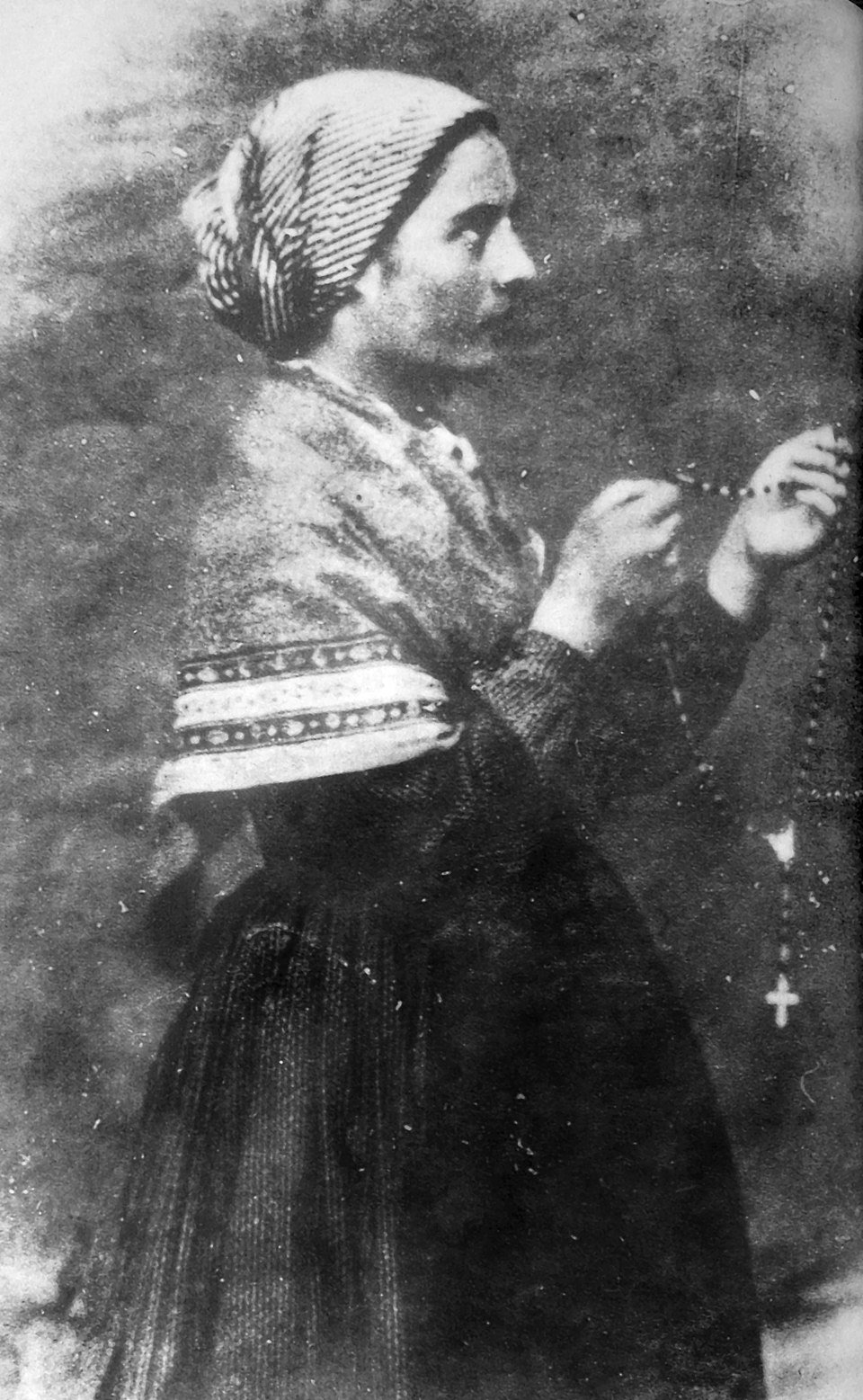
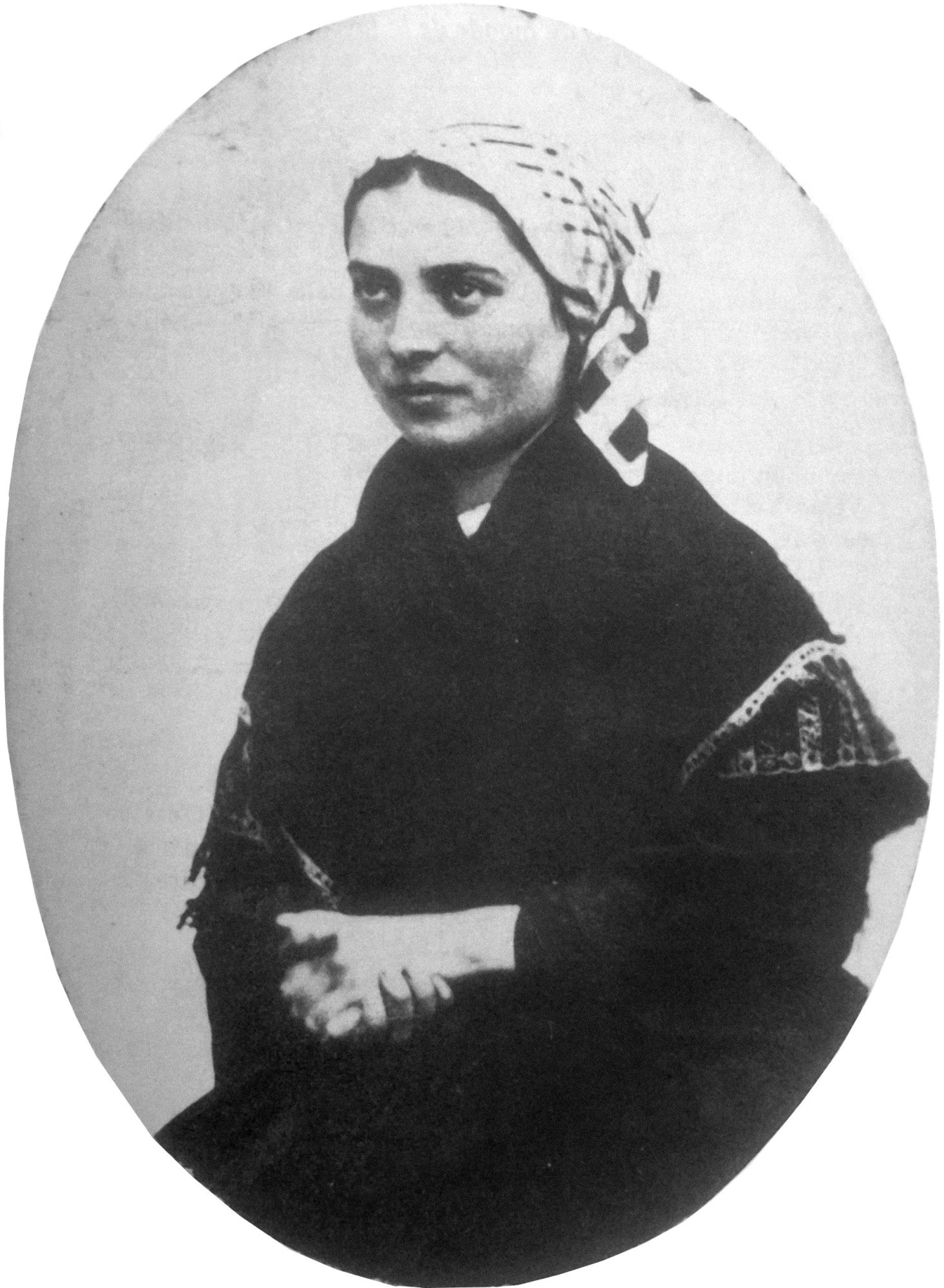
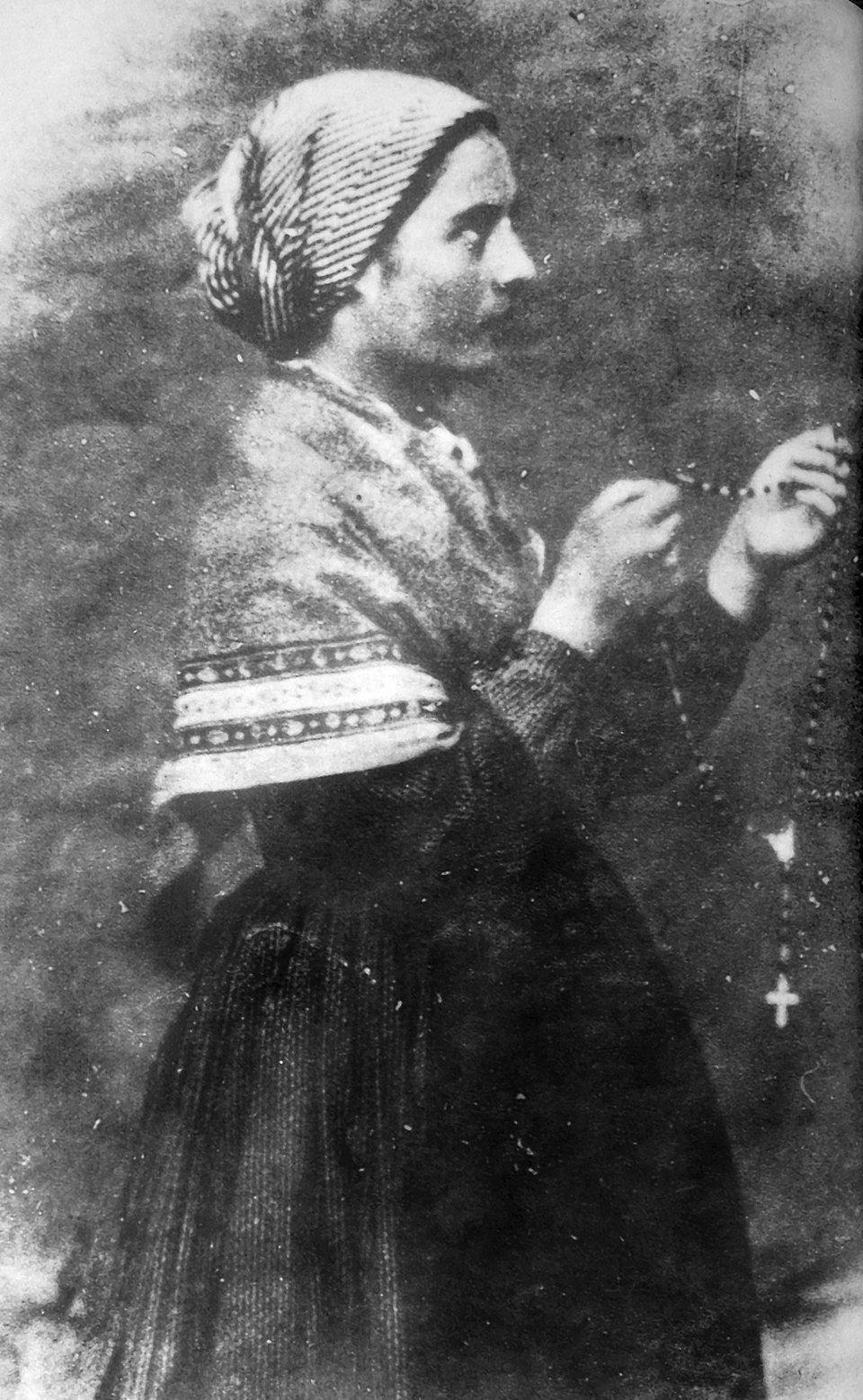
Visionary of Lourdes
St. Bernadette Soubirous
1844 – 1879 · Feast 16 April
Bernadette was an impoverished young girl when the Blessed Virgin appeared to her. For the first ten years of her life, she was relatively happy, living at the mill her father operated. When he lost the mill (June 1854), the family quickly descended into poverty. By 1857, they were living in a musty, one-room former jail known as the Cachot. Bernadette helped to support the family by taking care of her younger siblings, which allowed both her parents to work. She would also gather wood and iron to sell in the market. But the dire straits of the family continued. Eventually, she accepted her father's request to move in with her former nurse, Marie Laguës, as it would give him "one less mouth to feed."
By this time, Bernadette was nearly fourteen and had so little schooling that she could neither read nor write. Her prospects were dim, and soon she found herself spending her days tending sheep without pay. Alone in the fields, praying before a makeshift altar to Our Lady, she set her heart on making her First Communion. She tried to learn her catechism from Marie. But the answers she was expected to memorize were in French, and she only spoke patois, the local dialect, and couldn't remember the words. After several months of sorrow, she convinced her father to let her return to Lourdes. Resolved not to miss out on making her First Communion, she entered a class for children, intent on learning her catechism. She would eventually succeed, but an event intervened that would change her life. Three weeks after her classes began, on February 11th, five weeks after her fourteenth birthday, the Blessed Virgin appeared to her.
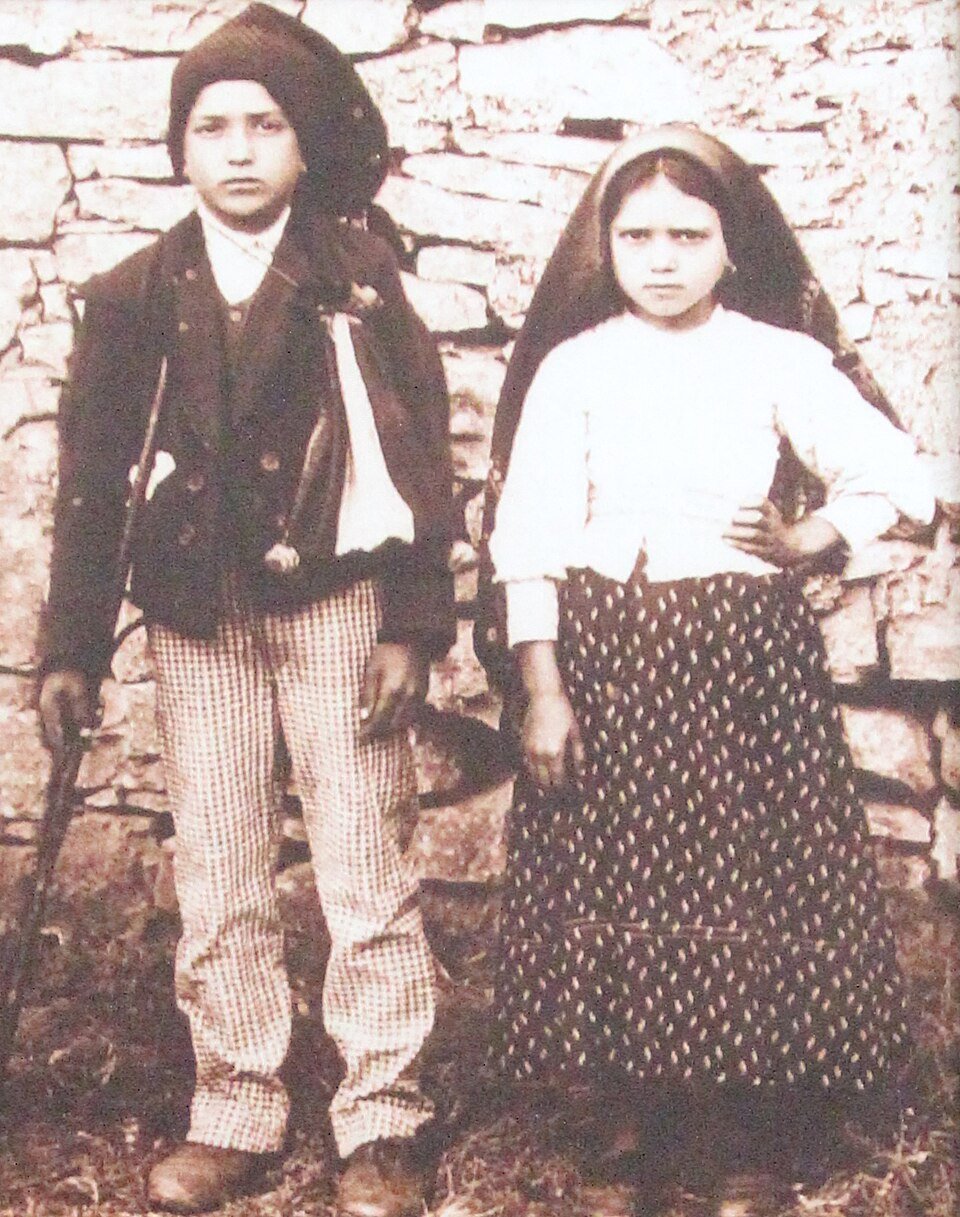
Shepherds of Fátima
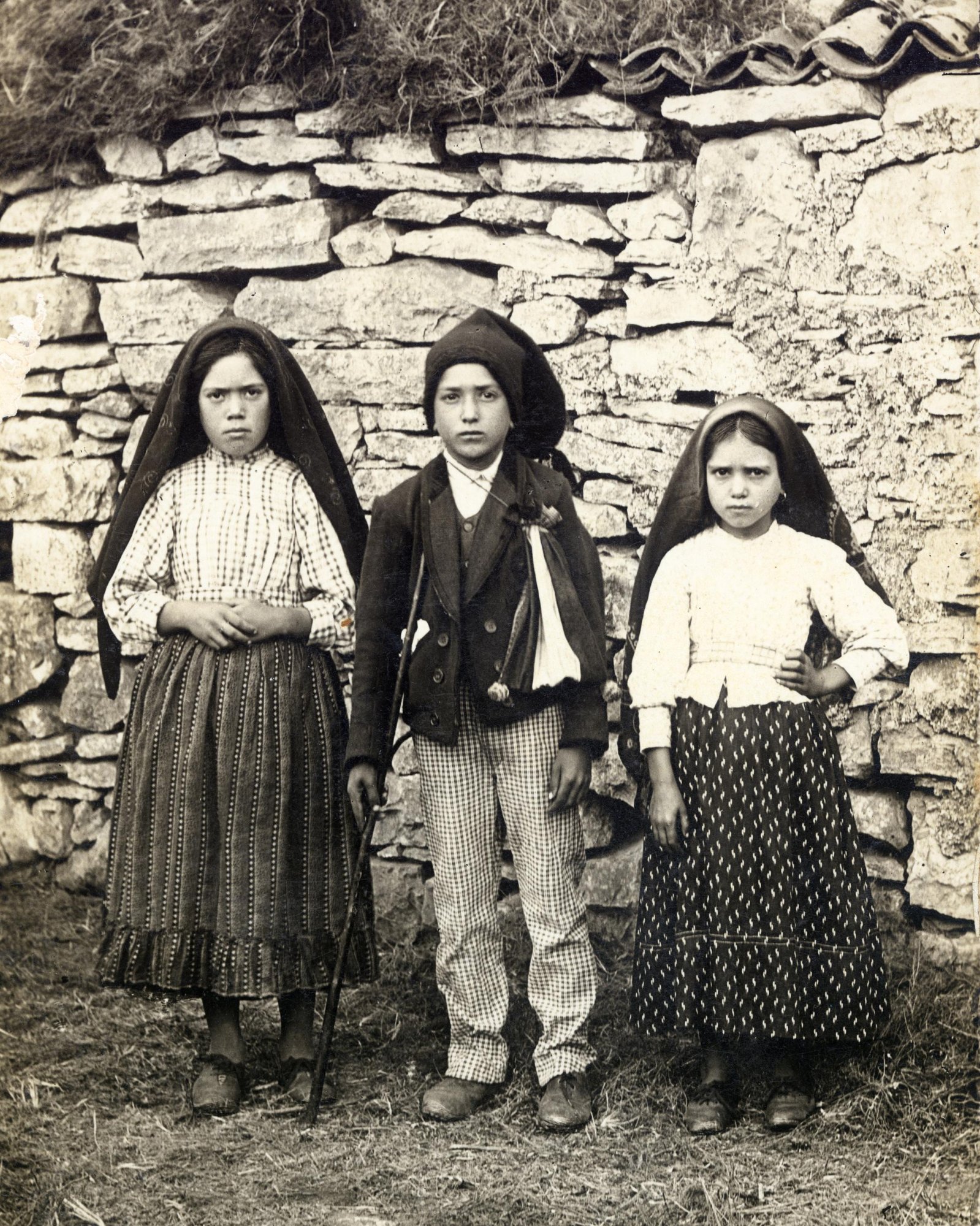
Sts. Francisco & Jacinta Marto
1908 – 1919, 1910 – 1920
Francisco and Jacinta Marto grew up in the small, isolated village of Aljustrel, where neither could read nor write.
Francisco Marto was quiet and easygoing, and would rather give up what belonged to him rather than quarrel over it. He joined in the other children’s games, but while they danced, he preferred to sit and play his flute. He loved the open hills, and so when his sister Jacinta wanted to follow their cousin Lucia into the fields, Francisco helped persuade their mother to let them both tend the family flock. That was how he came to be tending sheep with Jacinta and Lucia when the apparitions of the Blessed Virgin began, one month before his ninth birthday.
Jacinta Marto was the youngest of the seven Marto children and nearly the opposite of her brother Francisco. Lively and affectionate, she loved singing and dancing and often wanted to choose both the games and her playmate. She could be possessive and quick to sulk. A small quarrel was enough to prompt her to sit apart from the others. But she was also tenderhearted. The story of Christ’s Passion moved her to tears, and she loved to hold the family’s lambs, kiss them, and carry them home on her shoulders. She was deeply attached to Lucia and repeatedly begged to go with her into the fields. Like her brother, Jacinta had never attended school, but she eagerly learned what catechism Lucia could teach her.
Their days were spent pasturing sheep, singing, playing games, and sometimes rushing through the Rosary so they could return to their play. But in 1916, that life was interrupted by three appearances of the Angel of Peace. The following May, the Blessed Virgin appeared to the children at Cova da Iria in Fatima, Portugal.
Shepherds of Fátima
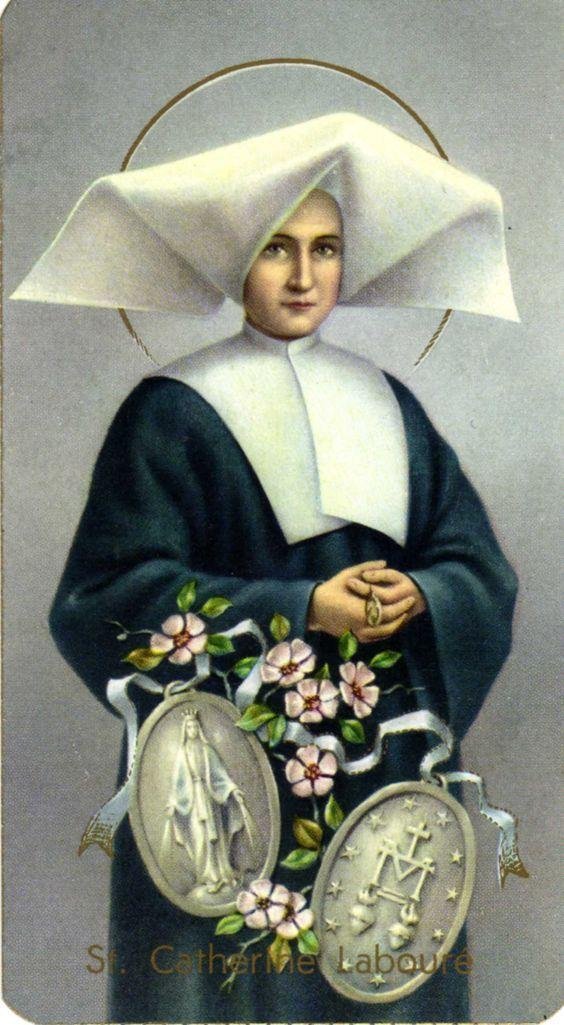
St. Catherine Labouré
1806 - 1876
Catherine was born into a prosperous farming family in the small village of Fain-lès-Moutiers. When her mother died, Catherine was nine, and she and her younger sister were sent to live with an aunt. Two years later, they returned home, where Catherine, still not twelve, took charge of the household so that her older sister could enter the Daughters of Charity. For ten years, she cooked for the family and farm workers, kept the house, washed and mended clothes, and helped care for an invalid brother. The work left her with no formal schooling, and she could barely read or write.
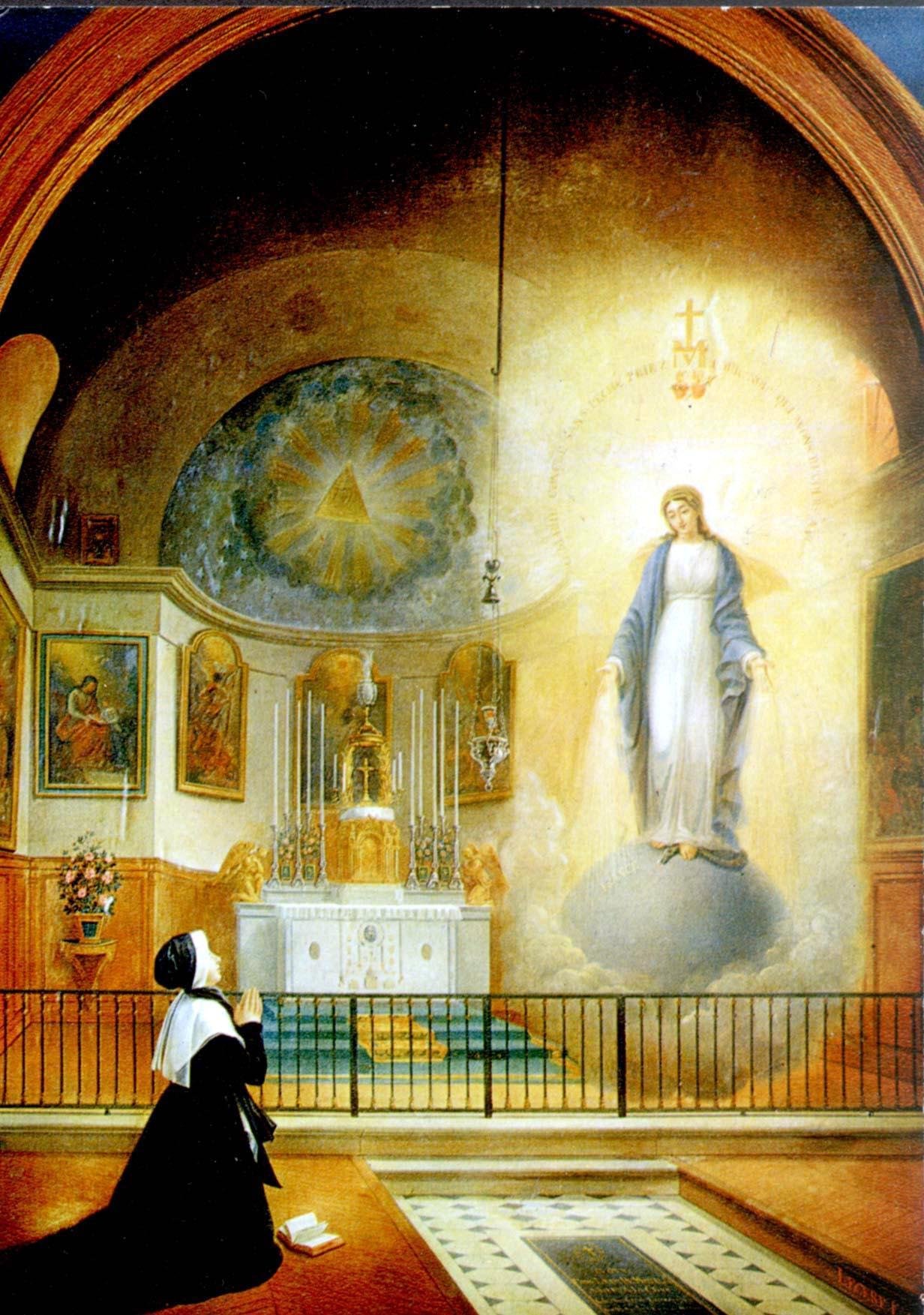
Quiet but strong-willed, she had long intended to give her life to God, but her father refused to let her enter a convent. It wasn't until she was twenty-three when Catherine finally began her religious life with the Daughters of Charity. There, she picked up life where it had left off: She cooked, washed, sewed, and cared for the sick and poor. She spent her life doing ordinary work for others, a life she had chosen and prepared for. But her interior life was anything but ordinary. Less than six months after she entered, on July 18, 1830, the Blessed Virgin appeared to her in the chapel of the motherhouse on the Rue du Bac.